
Oculoplastic
Epiphora
Testing is used to see whether tearing is from oversecretion or from impaired drainage; depending on the result, silicone-tube intubation or surgery to create a new tear pathway is performed.
- Home
- Oculoplasty
- Epiphora
Jalboneun Seongmo Eye Clinic epiphora care

Causes of tear oversecretion
A common cause of tear oversecretion is reflex tearing from dry, sore, painful eyes.
If it is not oversecretion, this may be a case of impaired tear drainage in which surgery may be needed.
When tearing is caused by blockage of the drainage pathway from the eye to the nose, the degree and site of blockage are confirmed by testing; depending on the result, silicone-tube intubation to reopen the existing pathway or surgery to create a new pathway is performed.
Diagnostic tests for epiphora
- 01Lacrimal sac irrigation
After anesthetic eyedrops, a thin needle is placed in the punctum and saline is injected into the nasolacrimal duct to see whether it passes, confirming partial versus complete obstruction
- 02Lacrimal probing
A long metal rod is inserted into the nasolacrimal duct for treatment and, at the same time, to diagnose partial versus complete obstruction
- 03Dye disappearance test
A test that places fluorescein dye in the eye and measures how much dye disappears over a set time, to see whether the nasolacrimal duct is non-functionally obstructed
Special tests for epiphora
- 01Precise tear-meniscus analysis
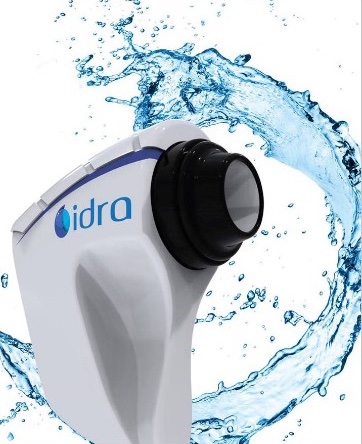
A special test that uses Zeiss Ant OCT and Idra equipment to measure tear volume and precisely examine and analyze tear-film breakup time and the tear meniscus.
- 02Nasal endoscopy
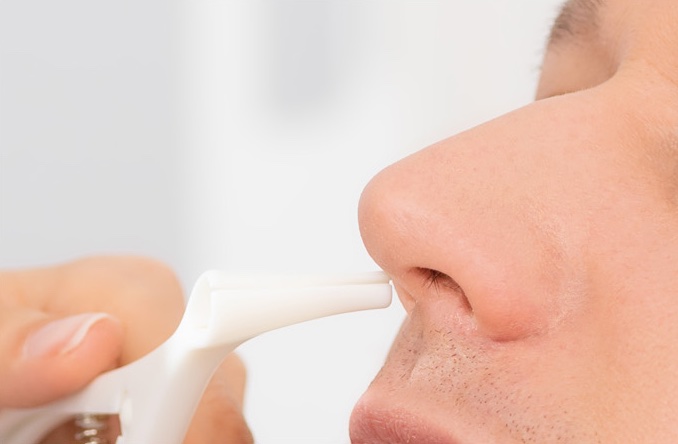
Because the outlet of the tear drainage pathway connects into the nasal cavity, nasal endoscopy is used to check for lesions in the nose and decide the treatment direction