





Macular degeneration requires prompt diagnosis and treatment.
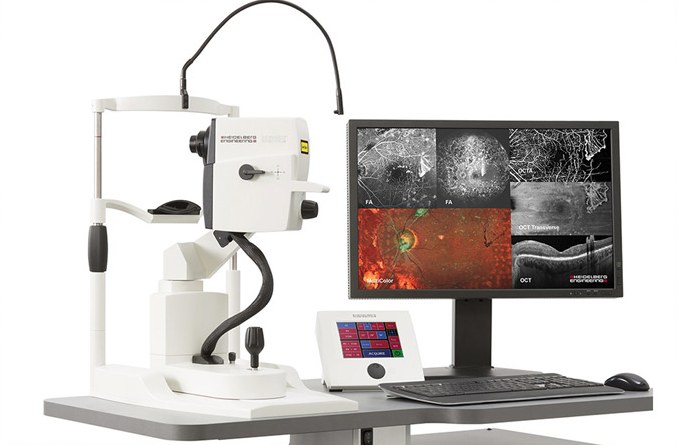
- 01HEIDELBERG FAG fluorescein fundus camera (Fluorescein Angiography)
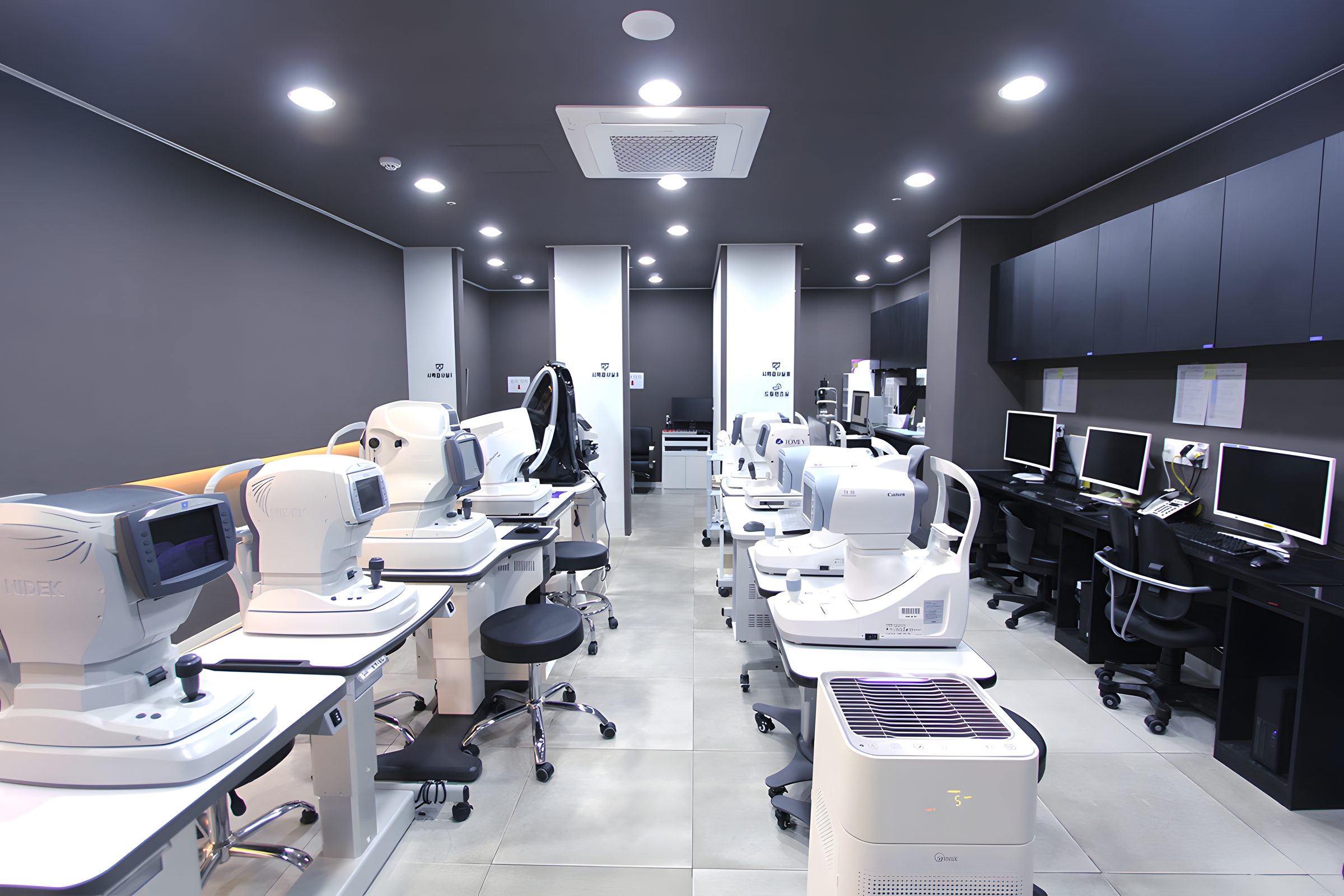
Our clinic has introduced Heidelberg Spectralis® HRA from Germany so exudative macular degeneration can be diagnosed promptly in one stop and injection treatment can follow immediately. This equipment performs ultra-widefield fluorescein angiography and shows vascular leakage as images; it plays an important role in diagnosing macular degeneration and in treatment (choice of injection and application of the severe-disease special calculation).
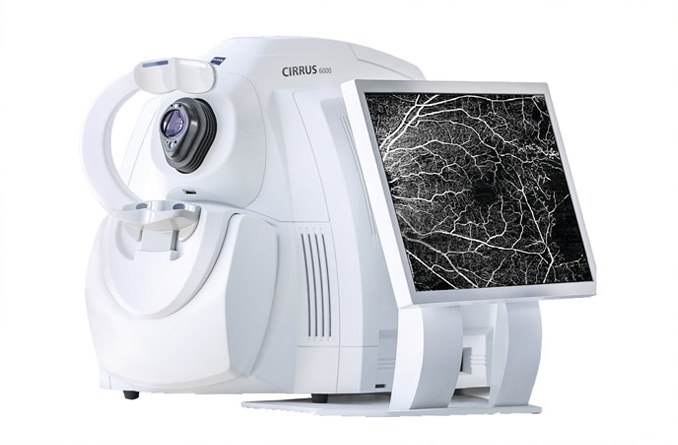
- 02ZEISS CIRRUS OCT 6000 retinal optical coherence tomography
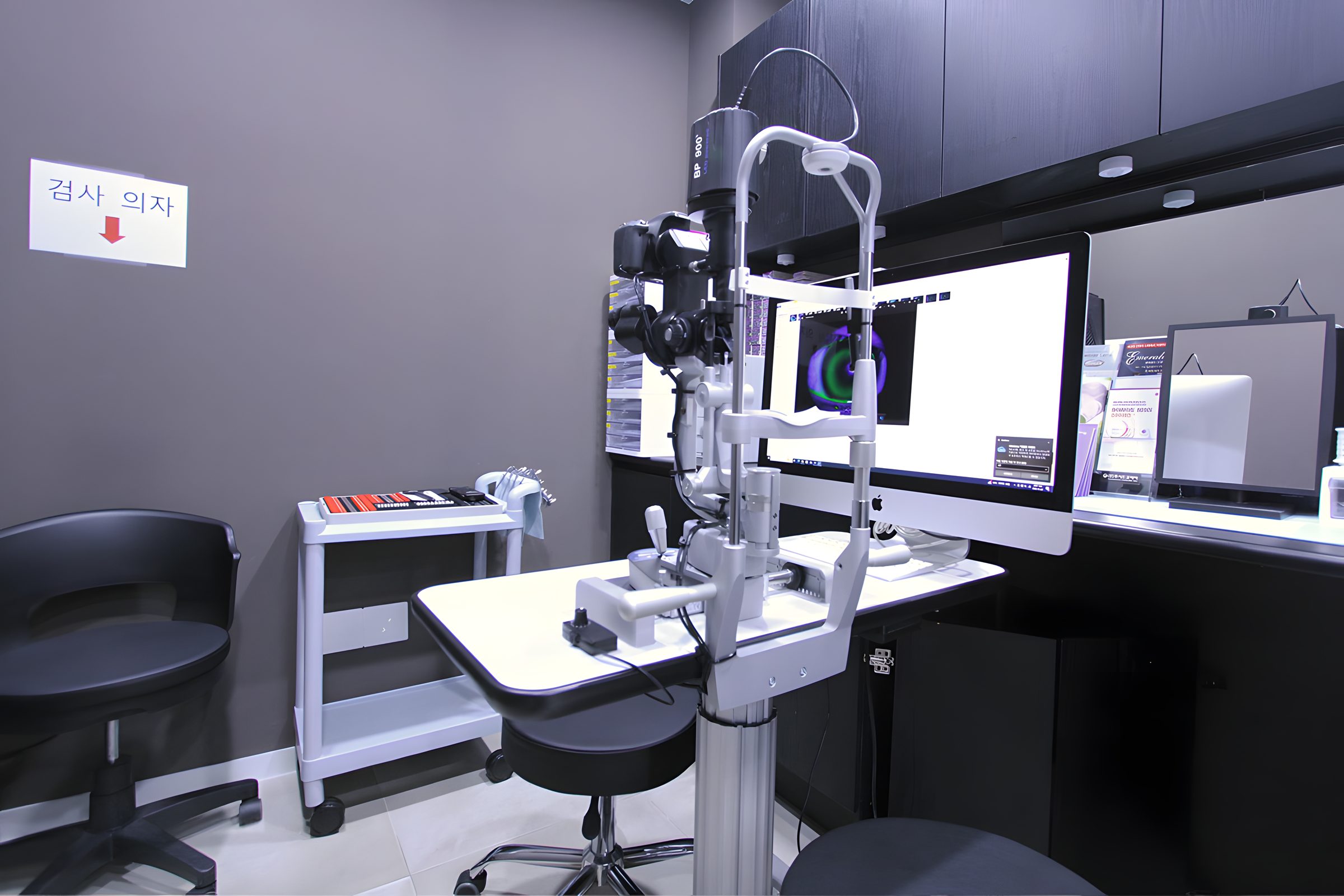
Exudative macular degeneration is included in Korea's health insurance severe-disease special calculation program. If the diagnosis is inaccurate or images are too blurred to identify fluorescein leakage, the special calculation may not apply. Our clinic has introduced ZEISS CIRRUS® 6000 retinal tomography from Germany to secure a short exam time and obtain accurate images of retinal lesions so macular degeneration can be diagnosed promptly.
Types of macular degeneration
The human eye has a structure and principle similar to a camera. The retina is a thin nerve tissue that acts like camera film. The center of the retina is the macula, through which objects can be seen clearly.
When the macula is affected, vision declines and objects may appear dark or distorted. This is called macular degeneration and is broadly divided into dry macular degeneration and exudative macular degeneration.
Dry macular degeneration from degeneration of retinal pigment epithelial cells often causes milder vision loss and progresses slowly. Exudative macular degeneration from abnormal new vessels under the retina causes more severe vision loss and progresses faster, so it should be found early and treated to stop progression.

Symptoms of macular degeneration
- When viewing with one eye, objects look bent or blurred.
- Spots are seen, or objects appear to float.
Causes of macular degeneration
It is not certain, but the sharp rise in incidence after age 75 suggests aging is the largest factor; genetics, smoking, cardiovascular disease, and other factors are also cited.
Macular degeneration treatment
With advances in medical technology, many injectable treatments have been developed, and intravitreal antibody injection is used to lower the risk of vision loss.
There is still no complete cure once the disease has developed, but marked advances in antibody injection therapy have allowed many patients to keep vision and continue daily life.
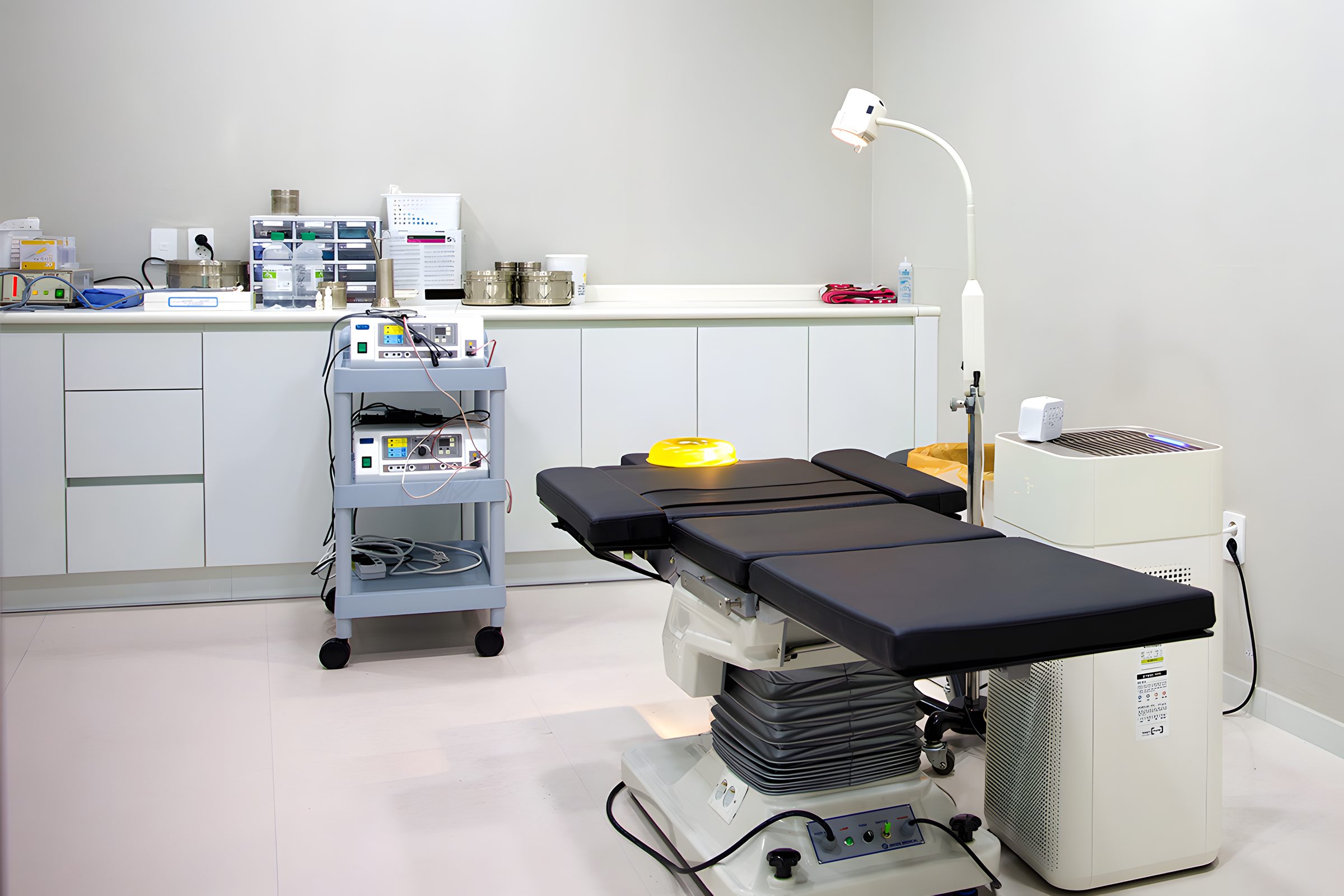
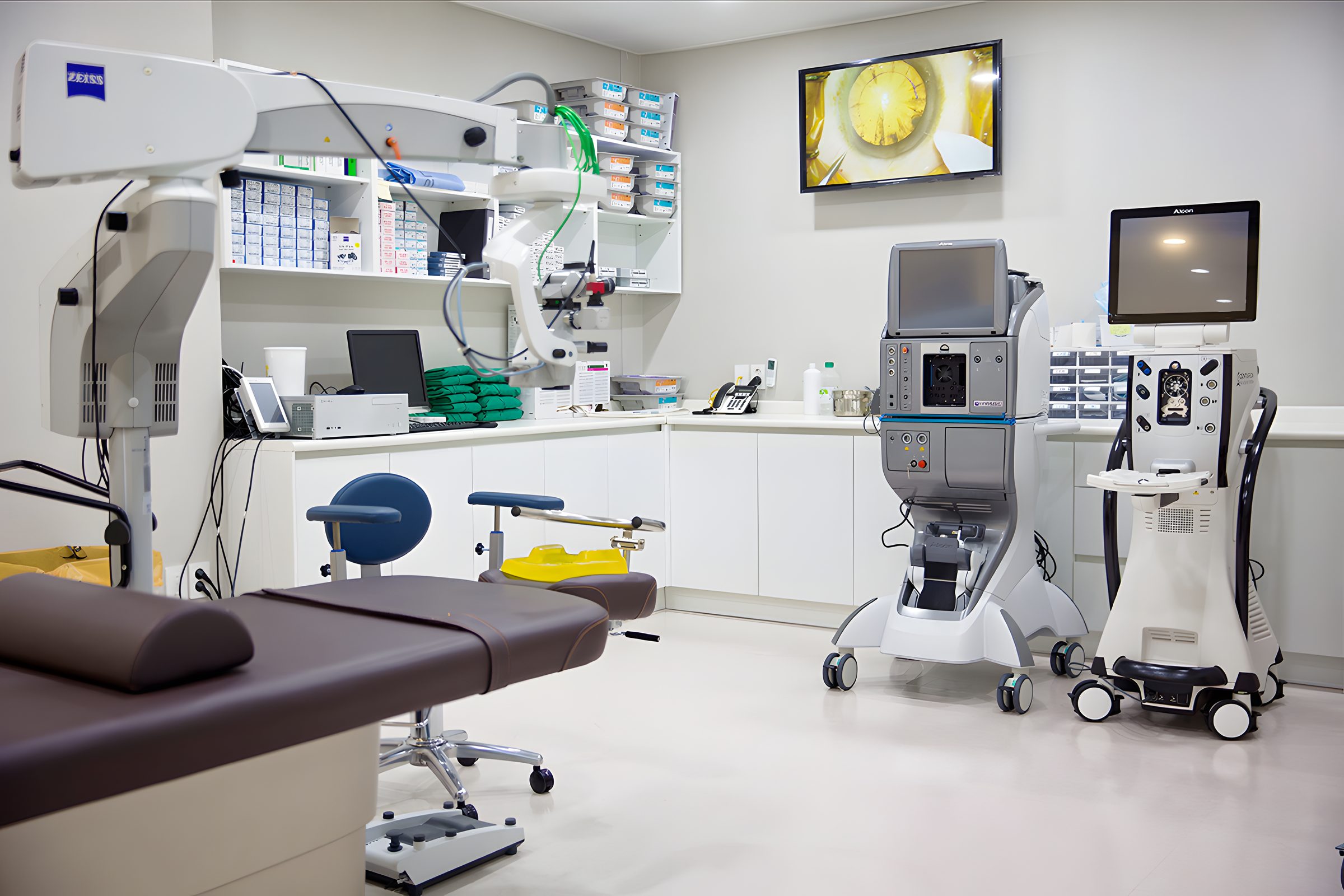
Our clinic provides a one-stop injection service for patients with macular degeneration.