




* YTN science broadcast screen: misconceptions about angle-closure glaucoma, one of the three major causes of blindness
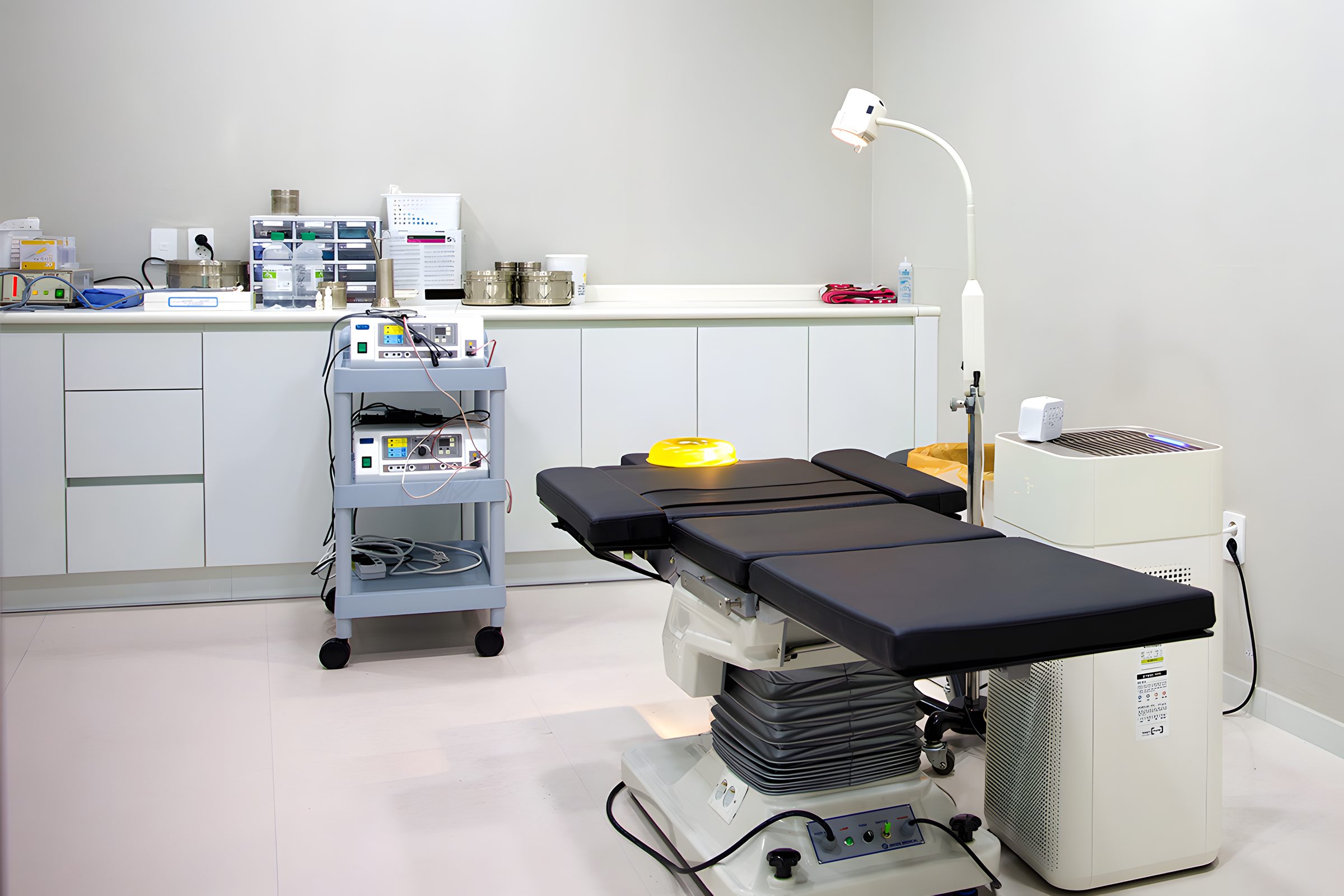
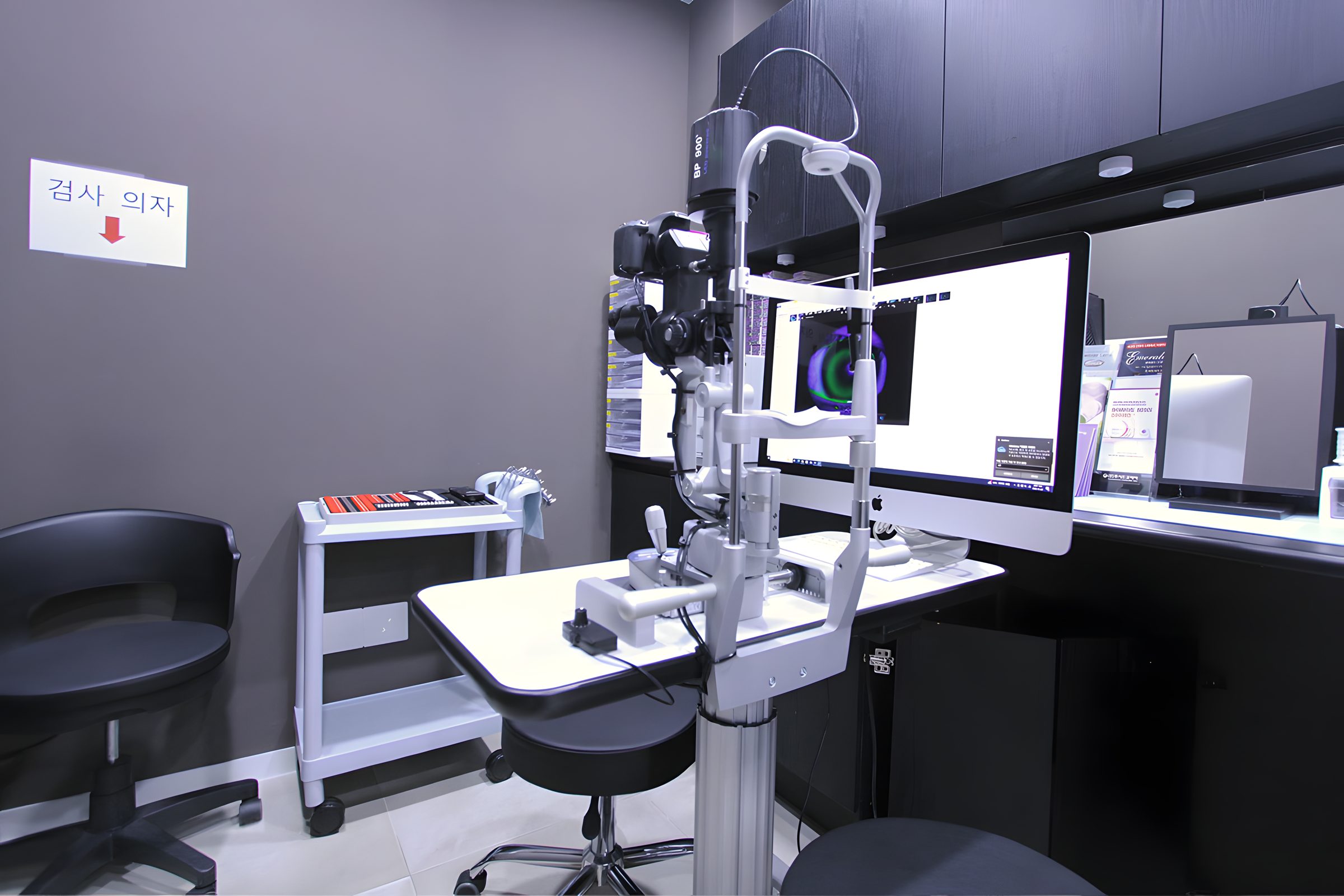
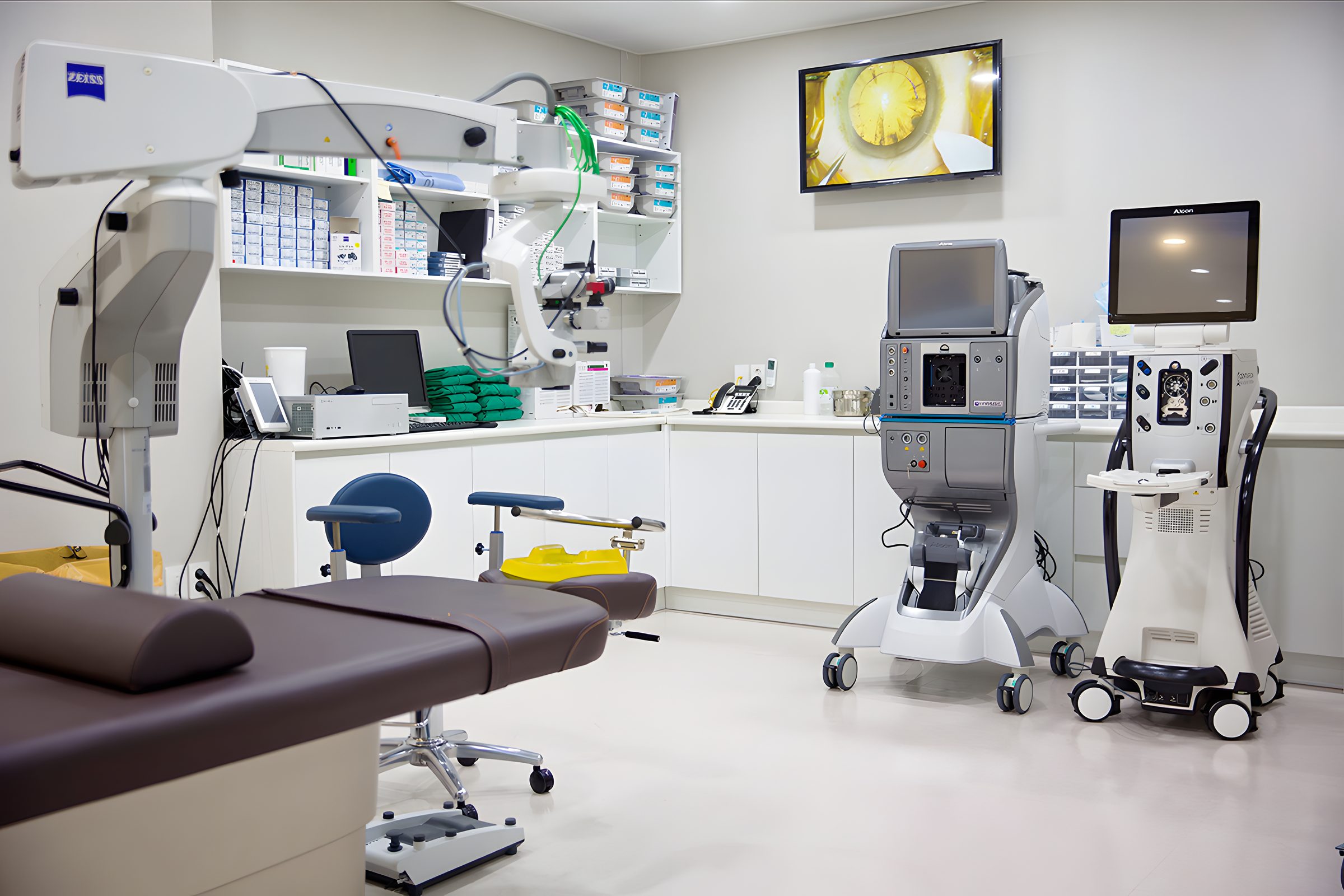
Jalboneun Seongmo Eye Clinic various glaucoma surgeries
Director Kang KD is a glaucoma specialist of the Korean Glaucoma Society, a Korean glaucoma academic body, and performs specialized, safe glaucoma surgery.
Ahmed valve implantation
Ahmed valve implantation inserts an aqueous drainage device that can control intraocular pressure in refractory glaucoma, lowering pressure after surgery to help prevent damage to the optic nerve.
Surgical treatment for glaucoma is known to be more effective when done after a short disease duration and before structural change in the eye has formed.
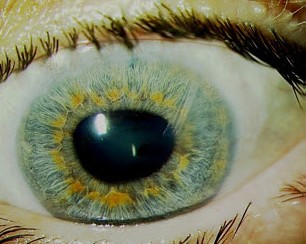
* Figure 2. (A) Slit-lamp photograph demonstrating punctate epithelial erosions of the cornea adjacent to the bleb. (B, C) Slit-lamp photograph of the left eye. Note a large superior filtering bleb with a high profile. / Figure 3. Slit-lamp photograph taken 6 month after Baerveldt tube implantation. Patient was symptom free and the intraocular pressure was satisfactorily maintained.
Trabeculectomy
A conventional glaucoma surgery to lower intraocular pressure. Aqueous humor produced in the eye drains through the trabecular meshwork, which acts like a drain. When the trabecular meshwork does not function and fluid cannot leave, intraocular pressure rises; this surgery cuts away part of the trabecular meshwork to create a new drainage pathway.
Minimally invasive surgery
A pathway is made so aqueous humor inside the eye can leave, lowering intraocular pressure. Conventional surgery had a wide incision, so recovery was long and postoperative complications included vision decline, hypotony, conjunctival leak, infection, and cataract. Minimally invasive surgery was developed to reduce these complications.
Minimally invasive surgery minimizes damage to the ocular surface. Because the corneal incision is small, foreign-body sensation is rare, complications are fewer than with conventional surgery, and recovery is shorter.
It may be done together with cataract surgery, has no limit on the number of procedures, and allows a prompt return to daily life.
Minimally invasive surgery has a limited success rate, so it should be chosen after consulting a specialist.
Comparison of success rates and analysis of prognostic factors for cataract-combined surgery with iStent versus iStent Inject in Korea (Short-term Outcomes and Prognostic Factors of Cataract-combined Surgery with iStent versus iStent Inject) — Gong YS, Hwang HB, Kang KD, Kim YC, Department of Ophthalmology, College of Medicine, The Catholic University of Korea, J Korean Ophthalmol Soc 2021 Vol. 62 No. 9 (Original Article)
Purpose: To analyze the therapeutic effects, prognostic factors, and complications that occurred after iStent® or iStent inject® implantation in South Korean glaucoma patients. Methods: We retrospectively analyzed 42 eyes of South Korean glaucoma patients, who were followed-up for more than 6 months after iStent® or iStent inject® implantation alone or combined with cataract surgery. Surgical success was defined as an intraocular pressure (IOP) ≤21 mmHg and an IOP reduction ≥20% from preoperative IOP levels. Results: The cumulative success rate at 6 months after surgery was 45.3 ± 8.1% for iStent inject® alone (group A), 28.6 ± 13.1% for iStent® alone (group B), 81.2 ± 6.8% for iStent inject® combined with cataract surgery (group A-1), and 27.3 ± 21.8% for iStent® combined with cataract surgery (group B-1). Group A-1 showed a higher success rate than group B-1 (p = 0.007); the difference in success rates between groups A and B was not statistically significant (p = 0.579). When the success prognostic factors were analyzed by Cox regression analysis, the results showed that a higher preoperative IOP was associated with a higher surgical success rate (hazard ratio 0.80, p = 0.02). Conclusions: In our patient group, iStent inject® was more effective than iStent® in combination with cataract surgery. The higher the preoperative IOP, the higher the surgical success rate; the results were significant. J Korean Ophthalmol Soc 2021;62(9):1243-1251. Keywords: Glaucoma, Intraocular pressure, iStent inject, Micro-invasive glaucoma surgery
Laser treatment
When eyedrops alone cannot control intraocular pressure, laser is used to alter ocular structure and lower pressure.
A method that directs laser energy at the aqueous outflow pathway to increase outflow and lower elevated intraocular pressure. Laser treatment is used when eyedrops alone do not lower pressure, or when angle-closure glaucoma develops because the pathway for aqueous circulation is blocked.
Laser treatment can be done without affecting normal tissue, so recovery is relatively prompt and side effects are fewer. After the procedure, a temporary rise in intraocular pressure, pain, or foreign-body sensation may occur, but recovery is usually within a short time. If pressure does not fall enough after laser treatment, surgery may also be performed.